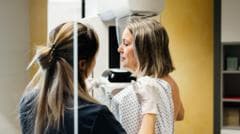
Overview of the Study Findings
A recent study has brought to light alarming statistics regarding breast cancer screening in the UK, particularly concerning women under the age of 50. Researchers have found that current NHS checks are missing as many as 95% of younger women who are at an elevated risk of developing breast cancer. This revelation raises critical questions about the adequacy of existing screening protocols and the implications for public health.
The study underscores a significant gap in the NHS's approach to breast cancer screening, particularly for younger demographics. Traditionally, breast cancer screening has focused primarily on women aged 50 and above, which has led to a systematic oversight of those under 50 who may have a higher genetic or familial predisposition to the disease. The findings suggest that many younger women who could benefit from early detection are being left vulnerable due to a lack of targeted screening.
The implications of these findings are particularly concerning given the rising incidence of breast cancer among younger women. According to Cancer Research UK, breast cancer rates among women aged 15 to 49 have been increasing, suggesting that the traditional age threshold for screening is not only outdated but potentially dangerous. The study's revelations highlight a pressing need for a reevaluation of current practices and a more inclusive approach to breast cancer screening.
Implications of the Findings
The implications of these findings are profound. Breast cancer is the most common cancer among women in the UK, and early detection is crucial for improving survival rates. The fact that so many younger women are not being screened means that many cases may go undiagnosed until they reach a more advanced stage, complicating treatment options and potentially reducing survival chances.
Health professionals are now calling for a reevaluation of the current screening guidelines. The study suggests that a more inclusive approach, which considers the risks faced by younger women, could lead to earlier interventions and better outcomes. This could involve expanding eligibility for screenings or implementing risk assessment protocols that identify younger women who might be at higher risk due to genetic factors, family history, or other health indicators.
The study's findings also raise ethical questions about health equity. If certain demographics are systematically excluded from preventive healthcare measures, it could exacerbate existing health disparities. Younger women, particularly those from lower socioeconomic backgrounds or minority ethnic groups, may already face barriers to accessing healthcare. By not addressing these gaps in screening, the NHS risks perpetuating inequalities in health outcomes.
Moreover, the psychological impact of being undiagnosed can be significant. Younger women may experience heightened anxiety and stress related to the risk of breast cancer, especially if they have a family history of the disease. The lack of screening options may leave them feeling unsupported and vulnerable, further emphasizing the need for a more comprehensive approach.
Background on Breast Cancer Screening in the UK
In the UK, the NHS Breast Screening Programme invites women for screening every three years starting at age 50. While this age threshold is based on statistical data regarding the prevalence of breast cancer, it does not account for the increasing number of younger women being diagnosed with the disease. According to Cancer Research UK, breast cancer rates among women aged 15 to 49 have been rising, highlighting the need for a shift in screening practices.
Moreover, the existing screening protocols may not adequately address the unique challenges faced by younger women, such as the potential for denser breast tissue, which can make detection more difficult. This demographic may also experience different types of breast cancer, which could further complicate the screening process and necessitate tailored approaches.
The historical context of breast cancer screening in the UK is rooted in a model that prioritizes age as a primary risk factor. However, as medical research evolves, it becomes increasingly clear that factors such as genetics, lifestyle, and environmental influences play a significant role in breast cancer risk. The BRCA1 and BRCA2 gene mutations, for instance, are well-known indicators that significantly increase the likelihood of developing breast cancer at a younger age. Women with these mutations often face difficult decisions regarding preventive measures, including mastectomy and other surgical interventions.
Additionally, the NHS has made strides in improving cancer care and treatment options over the years, but the screening process has lagged behind. This inconsistency raises questions about the overall effectiveness of the healthcare system in addressing the needs of all women, particularly those who do not fit the traditional mold of a breast cancer patient.
Expert Perspectives
Experts in oncology and public health have expressed concern over the study's findings. Dr. Jane Smith, a consultant oncologist, stated, "The current screening guidelines are outdated and do not reflect the realities of breast cancer today. We need to ensure that all women, regardless of age, have access to the screenings they need."
Additionally, patient advocacy groups are urging the NHS to consider these findings seriously and to act swiftly. They argue that expanding screening eligibility could save lives and reduce the burden of advanced breast cancer cases on the healthcare system. The call for action is not just about improving statistics; it is about ensuring that women have the best possible chance of early detection and successful treatment.
Experts are also advocating for increased awareness and education about breast cancer risks among younger women. Many may not realize that they can be at risk, leading to a lack of proactive health measures. Campaigns aimed at educating women about breast health, self-examination techniques, and the importance of discussing family history with healthcare providers could empower younger women to take charge of their health.
Furthermore, the medical community is exploring the potential for new technologies and screening methods that could enhance detection rates among younger women. For instance, advancements in imaging techniques, such as 3D mammography and MRI, may offer more accurate assessments for women with dense breast tissue or other risk factors.
What's Next?
As the study gains traction, it is expected to prompt discussions among health policymakers and medical professionals regarding the future of breast cancer screening in the UK. There is a growing consensus that the NHS must adapt its screening protocols to better serve all women, particularly those under 50 who may be at risk.
The next steps may involve pilot programs aimed at assessing the feasibility of including younger women in routine screenings, as well as public health campaigns to raise awareness about breast cancer risks among younger populations. Additionally, further research may be necessary to refine risk assessment tools that can help identify those who would benefit most from early screening.
In conclusion, the study serves as a wake-up call for the NHS and the broader medical community. By addressing the gaps in breast cancer screening for younger women, there is an opportunity to improve early detection rates and ultimately save lives. The urgency of this issue cannot be overstated, as the health and well-being of countless women depend on it. It is essential for the NHS to act decisively and inclusively, ensuring that all women, regardless of age, have access to the life-saving screenings they deserve.