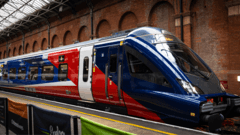
A New Era for Chiltern Railways
Chiltern Railways, a key player in the UK rail network, has officially been renationalised after three decades of private operation. This transition is part of a broader government initiative aimed at restructuring the railway system to enhance efficiency and service quality. As part of this change, Chiltern Railways will now operate under the umbrella of Great British Railways (GBR), which is set to oversee the entire rail network in England and Wales.
The decision to renationalise Chiltern Railways comes amid ongoing discussions about the effectiveness of privatisation in the rail sector. The government has expressed a commitment to improving services while also aiming to reduce costs for taxpayers. This move raises important questions about the future of rail travel in the UK and what it means for everyday passengers.
The renationalisation of Chiltern Railways is symbolic of a significant shift in the approach to public transport in the UK, reflecting a growing sentiment among the public and policymakers that the privatisation model has not delivered the promised benefits. With rising ticket prices and frequent service disruptions, many have called for a reevaluation of how rail services are managed and delivered.
The Context of Renationalisation
The renationalisation of Chiltern Railways is not an isolated event but part of a larger trend in the UK rail industry. Over the years, various rail operators have faced criticism for service disruptions, rising ticket prices, and a lack of accountability. The government’s decision to bring Chiltern Railways back into public ownership is seen as a response to these ongoing challenges.
Chiltern Railways has been operating since the late 1980s, primarily serving routes between London and the Midlands. During its time as a private operator, it has made significant investments in infrastructure and customer service. However, the perceived shortcomings of the private model have led to calls for a return to public ownership, especially in light of the COVID-19 pandemic, which severely impacted the rail industry.
The pandemic exposed vulnerabilities in the rail system, with passenger numbers plummeting and many private operators struggling to maintain services. The government was forced to step in with emergency funding to keep services running, raising questions about the sustainability of the privatised model. This situation has prompted a rethinking of the framework governing rail operations, with a focus on creating a more resilient and accountable system.
What Does Renationalisation Mean for Passengers?
For passengers, the renationalisation of Chiltern Railways could lead to several changes in the way services are delivered. One of the primary goals of the government is to improve the reliability and quality of rail services. This could manifest in various ways, including:
- Improved Service Reliability: With GBR overseeing operations, there is hope for a more coordinated approach to scheduling and maintenance, potentially reducing delays and cancellations. This is particularly important for commuters who rely on punctual services to get to work and other commitments.
- Simplified Ticketing: Renationalisation may lead to a more straightforward ticketing system, making it easier for passengers to understand pricing and routes. A unified ticketing approach could also facilitate seamless travel across different rail operators, enhancing the overall passenger experience.
- Investment in Infrastructure: The government may allocate more funds to improve stations, trains, and overall service quality, enhancing the travel experience for passengers. This could include upgrades to facilities, better accessibility options, and modernised rolling stock.
- Focus on Customer Service: A public operator may prioritize customer satisfaction over profit margins, leading to better support and communication for passengers. Enhanced customer service training for staff and more responsive complaint resolution processes could be on the horizon.
The implications of these changes could be profound for everyday passengers. Improved reliability and customer service may encourage more people to choose rail travel over other forms of transportation, such as driving or flying, which could have positive environmental impacts by reducing road congestion and lowering carbon emissions.
The Financial Implications
Renationalising Chiltern Railways is also part of a broader strategy to manage public finances more effectively. The government aims to save money by reducing the costs associated with private contracts and profit margins that private operators typically require. By bringing Chiltern back into public ownership, the government can reinvest any savings directly into the rail network, potentially leading to better services without increasing fares.
However, the financial sustainability of this model remains a topic of debate. Critics argue that while renationalisation may provide short-term benefits, long-term success will depend on effective management and investment strategies. The government will need to demonstrate that it can operate the railways efficiently and responsibly to maintain public support for this initiative.
Moreover, the financial implications extend beyond immediate cost savings. The government will need to balance the need for investment in infrastructure with the pressure to keep fares affordable for passengers. This could involve difficult decisions about funding allocations and prioritising projects that deliver the most significant benefits to the public.
What to Watch for Moving Forward
As the transition to public ownership takes place, passengers should keep an eye on several key developments:
- Service Changes: Monitor announcements regarding changes to schedules, routes, and ticketing as the integration into GBR progresses. Passengers may experience temporary disruptions during the transition, but clear communication from GBR will be essential to minimise confusion.
- Investment Plans: Look for details on planned investments in infrastructure and service improvements that could enhance the overall travel experience. This may include announcements about new train services, station upgrades, and technology enhancements.
- Customer Feedback Mechanisms: The government may implement new channels for customer feedback to ensure that passenger concerns are addressed in the transition process. Engaging with these mechanisms will be crucial for passengers to voice their opinions and influence future service delivery.
- Long-Term Strategy: Pay attention to the government’s long-term strategy for the rail network, including how it plans to balance public investment with operational efficiency. Understanding the broader vision for rail travel in the UK can help passengers anticipate changes and adapt to new systems.
Conclusion
The renationalisation of Chiltern Railways represents a significant shift in the UK rail landscape, with potential benefits for passengers in terms of service quality and financial management. As this transition unfolds, it will be crucial for both the government and GBR to demonstrate their commitment to improving rail travel for all. Passengers should remain informed about upcoming changes and actively engage with the new system to ensure their needs are met.
For more detailed information on this topic, you can refer to the original reporting by BBC News Business here.
Staying engaged and informed will empower passengers to make the most of the evolving rail services, ensuring that their voices are heard in this new era of rail travel. As the UK embarks on this journey towards a more integrated and efficient rail network, the role of the passenger will be more critical than ever.