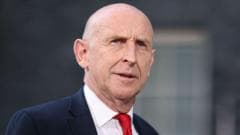
In recent discussions surrounding the UK's relationship with the European Union, particularly in light of comments made by Greater Manchester Mayor Andy Burnham, the topic of rejoining the EU single market has gained renewed attention. This conversation is not just political rhetoric; it has profound implications for the economy, public services, and the everyday lives of UK citizens.
The Current Landscape of UK-EU Relations
Since leaving the EU, the UK has navigated a complex relationship with its former partners. The government has focused on establishing new trade agreements while also addressing domestic issues that have arisen from Brexit. Prime Minister Rishi Sunak has indicated a desire for a debate on how Britain can foster a closer relationship with the EU, suggesting that there might be room for reconsideration of previous stances.
Burnham's comments at a recent summit highlighted the financial implications of homelessness, linking it to broader economic discussions. He suggested that addressing rough sleeping could be more cost-effective than ignoring the issue, a sentiment that resonates with the economic challenges faced by many local governments. The suggestion that a referendum might be necessary to gauge public opinion on rejoining the single market adds another layer of complexity to the conversation.
What Would Rejoining the Single Market Mean?
The EU single market allows for the free movement of goods, services, capital, and people among member states. Rejoining would potentially offer the UK access to a vast market of over 450 million consumers, which could benefit various sectors, including manufacturing and services. However, it would also require the UK to adhere to EU regulations and contribute to the EU budget, which some critics argue undermines the sovereignty gained through Brexit.
For businesses, particularly those reliant on trade with the EU, rejoining the single market could simplify customs procedures and reduce tariffs, ultimately leading to lower prices for consumers. However, this would also mean accepting EU rules on competition, environmental standards, and workers' rights, which may not align with the current government's agenda.
The Economic Implications for Citizens
The potential return to the single market raises questions about its impact on the UK economy and public services. Proponents argue that it could stimulate economic growth, create jobs, and enhance public services by increasing tax revenues. Conversely, opponents warn that it could lead to a loss of control over domestic policies and regulations.
Burnham's emphasis on the financial consequences of homelessness underscores a critical point: the economic health of the nation affects public expenditure. If rejoining the single market could lead to increased economic activity, it might provide the necessary funds to address pressing social issues like homelessness. The interconnectedness of economic policy and social welfare cannot be overstated, and this debate is central to the future of public services in the UK.
The Role of Public Opinion
As discussions continue, the role of public opinion will be crucial. A referendum on rejoining the single market would require a clear understanding of what citizens want from their relationship with the EU. Polling data and public sentiment will play a significant role in shaping the government's approach to this issue.
The government must consider how to communicate the potential benefits and drawbacks of rejoining the single market to the public. Transparency and engagement will be key to ensuring that citizens feel informed and involved in the decision-making process.
Next Steps for the UK Government
For those concerned about the future of the UK's relationship with the EU, there are several steps to consider. Staying informed about government discussions and public debates will be essential. Engaging with local representatives and participating in public forums can help shape the conversation around this critical issue.
Additionally, citizens should consider the broader implications of economic policies on public services and social issues. Understanding the interconnected nature of these topics will empower voters to make informed decisions in future elections and referenda.
In conclusion, the conversation around the UK's potential re-entry into the EU single market is more than just a political debate; it is a matter that affects the economy, public services, and the everyday lives of citizens. As discussions progress, it is crucial for the government to engage with the public and consider the implications of their decisions carefully.
Conclusion
The future of the UK's relationship with the EU remains uncertain, but the implications of rejoining the single market are clear. As the government navigates this complex landscape, it must prioritize transparency and public engagement to ensure that the voices of citizens are heard. The decisions made in the coming months will have lasting effects on the economy and public services, making it imperative that all stakeholders are involved in the conversation.