Context
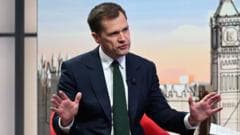
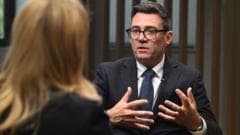
In a significant political development, Prime Minister Andy Burnham has made it clear that he will not pursue an early general election. This statement was made during an exclusive interview with Laura Kuenssberg, a prominent journalist at the BBC. Burnham's remarks come as the political landscape in the UK continues to evolve, with various parties and factions speculating about the timing of the next general election. The decision not to call for an early election is particularly striking given the current political climate, where uncertainty and speculation are rampant.
What Happened
While speaking with Kuenssberg, Burnham emphasized his commitment to the manifesto that the electorate endorsed during the last election. He stated, "People voted for a manifesto," indicating his intention to honour the promises made to voters. This declaration is particularly noteworthy as it provides clarity on Burnham's electoral strategy and governance approach. By prioritizing the manifesto, Burnham is positioning himself as a leader who values the democratic process and respects the choices made by the electorate.
The Prime Minister's comments are significant given the backdrop of political uncertainty in the UK. With various parties jockeying for position, the prospect of an early election has been a topic of considerable debate among political analysts and the public alike. Burnham's firm stance against an early election may influence the strategies of other political leaders and parties as they navigate the current political climate. His decision could serve as a stabilizing force, potentially quelling calls for immediate electoral contests from opposition parties that might seek to capitalize on perceived weaknesses in his administration.
Why It Matters
Burnham's decision to rule out an early election has implications for both his government and the opposition parties. By committing to the existing manifesto, he seeks to reassure voters that his administration is focused on delivering on its promises rather than seeking political advantage through early elections. This could bolster public confidence in his leadership, especially among those who supported his party in the last election. Voters often appreciate leaders who prioritize governance over political maneuvering, and Burnham's stance may resonate positively with constituents who are weary of constant electoral campaigning.
Moreover, this announcement may impact the Labour Party's internal dynamics and its relationship with other political entities. If Burnham remains steadfast in his commitment to the manifesto, it could lead to a more stable political environment, allowing his government to concentrate on policy implementation rather than electioneering. Stability is crucial for effective governance, especially in a time when the UK is facing significant challenges, including economic recovery, public health issues, and social justice concerns.
Background and Detail
Andy Burnham, who has served as the Mayor of Greater Manchester, transitioned to the role of Prime Minister amid a challenging political landscape. His leadership style has often been characterized by a focus on local issues and a commitment to social justice, which resonates with many voters. Burnham's background as a local leader has equipped him with a unique perspective on governance, emphasizing the importance of addressing the needs and concerns of communities across the UK. By prioritizing the manifesto, Burnham aims to maintain this focus, ensuring that the needs of the electorate remain at the forefront of his administration's agenda.
The timing of the next general election is a crucial issue for all political parties. Traditionally, elections are held every five years in the UK, but the possibility of calling an early election can arise under certain circumstances, such as a vote of no confidence or a significant shift in public support. Political analysts suggest that Burnham's decision could deter other parties from pushing for an early election, as they may perceive a lack of public support for such a move. The electorate's desire for stability and continuity, particularly in the wake of recent political upheavals, may make them wary of the disruptions that an early election could bring.
Furthermore, Burnham's comments come at a time when the UK is grappling with various challenges, including economic recovery post-pandemic and ongoing debates over social policies. The COVID-19 pandemic has had a profound impact on the UK economy, leading to rising unemployment rates and increased demand for social services. By ruling out an early election, he signals a commitment to addressing these pressing issues rather than diverting attention to electoral campaigns. This approach aligns with the broader public sentiment that prioritizes effective governance over political gamesmanship.
What's Next
Looking ahead, Burnham's administration will likely focus on implementing the policies outlined in the manifesto, which may include initiatives aimed at economic recovery, healthcare improvements, and social welfare programs. As the political landscape continues to shift, the Prime Minister's ability to deliver on these promises will be crucial in maintaining public support. The electorate will be watching closely to see how effectively his government can navigate the complexities of governance while adhering to the commitments made during the last election.
In the coming months, political observers will be keen to see how Burnham's decision impacts his party's standing in the polls and how opposition parties respond. The Labour Party, under Burnham's leadership, will need to navigate these challenges while also preparing for the next scheduled election, which is expected to take place in the coming years. The party's ability to maintain unity and focus on its policy agenda will be essential in the face of potential challenges from rival parties.
Additionally, Burnham's decision may prompt a reevaluation of strategies among opposition parties. Leaders of rival factions may need to reconsider their approaches to campaigning and policy proposals in light of Burnham's commitment to governance over electoral politics. This could lead to a more substantive policy debate in Parliament, as parties seek to differentiate themselves based on their visions for the future rather than solely on electoral timing.
In conclusion, Andy Burnham's firm stance against an early election underscores his commitment to governance based on the mandate received from voters. As the political landscape evolves, his administration's focus on delivering on its manifesto promises will be critical in shaping the future of UK politics. Voters are likely to respond positively to a government that prioritizes stability and effective governance, especially in challenging times. Burnham's leadership will be tested in the months ahead, as he seeks to fulfill the aspirations of the electorate while navigating the complexities of a dynamic political environment. The implications of his decision will resonate beyond his party, influencing the broader political discourse in the UK as the nation grapples with pressing social and economic challenges.