Context
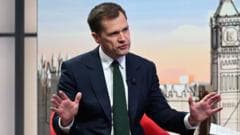
As the United Kingdom prepares for a potential shift in leadership, the discourse surrounding race and inequality has taken center stage. David Weaver, the chair of Operation Black Vote (OBV), has voiced a critical perspective on how race relations are often manipulated within political narratives. In a recent interview marking the 30th anniversary of OBV, Weaver highlighted the importance of addressing these issues head-on, particularly as Andy Burnham steps into the role of Prime Minister. This moment is not merely a transition of power; it represents a crucial juncture for the UK to confront its historical and ongoing struggles with race and class.
What Happened
Weaver's comments come at a pivotal moment in British politics. He asserts that Burnham, who has been a prominent figure in Labour politics and is known for his progressive stance, has a unique opportunity to influence the national conversation about race. According to Weaver, the current political climate often uses discussions around race and migration as a means to divert attention from deeper issues of class inequality and ineffective governance. This observation is particularly relevant as the UK grapples with economic challenges that disproportionately affect marginalized communities.
The economic landscape of the UK has been fraught with challenges, including rising inflation, stagnant wages, and increasing living costs, which have a disproportionate impact on Black and minority ethnic communities. As the government continues to navigate these issues, the potential for political leaders to exploit race as a distraction from class-based inequalities becomes a pressing concern. Weaver's insights suggest that the conversations surrounding race should not be isolated from discussions about socioeconomic factors, which often exacerbate the challenges faced by these communities.
Why It Matters
The implications of Weaver's statements extend beyond mere political rhetoric. By focusing on race, political leaders may inadvertently obscure the systemic class disparities that exist within society. Weaver argues that this deflection not only hinders progress on racial equality but also prevents meaningful discussions about the socioeconomic factors that contribute to inequality. As Burnham assumes leadership, the manner in which he addresses these intertwined issues could significantly impact public perception and policy direction.
For the average citizen, the intersection of race and class is not just an academic debate; it is a lived reality. Many individuals from marginalized backgrounds experience the dual burdens of racial discrimination and economic disadvantage. This duality means that policies aimed solely at addressing one aspect without considering the other may fall short of fostering genuine equality. The potential for Burnham to lead with a holistic approach presents an opportunity for transformative change that could resonate across various demographics in the UK.
Background and Detail
Operation Black Vote has been at the forefront of advocating for racial equality in the UK for three decades. Established in 1996, the organization aims to increase the participation of Black and minority ethnic communities in the democratic process. Weaver's leadership has been instrumental in pushing for a more inclusive political landscape, where the voices of underrepresented groups are amplified. The organization's work has included voter registration drives, educational initiatives, and advocacy for policies that address systemic inequalities.
Historically, discussions around race in the UK have often been fraught with tension. The political discourse has frequently been characterized by divisive narratives that exploit racial tensions for electoral gain. This has led to a cycle where genuine issues of racial injustice are overshadowed by sensationalism and political opportunism. For instance, during election cycles, politicians may emphasize immigration and race-related issues to galvanize support, often neglecting the underlying economic conditions that affect all citizens, regardless of their racial background.
Weaver's call for Burnham to shift the narrative is rooted in a desire for a more honest and constructive dialogue about race and class. He believes that by addressing these issues in tandem, Burnham can foster a more equitable society that acknowledges the complexities of both race and class. This perspective is not just about political strategy; it reflects a deeper understanding of the interconnectedness of social issues that have historically been treated as separate.
What's Next
As Burnham prepares to take office, the expectations are high. Advocates like Weaver are looking for concrete actions that reflect a commitment to dismantling systemic inequalities. This includes not only addressing racial injustices but also tackling the underlying class disparities that affect many communities across the UK. The upcoming months will be crucial as he outlines his agenda and engages with various communities to foster a more inclusive political environment.
Burnham’s approach to these challenges will be closely scrutinized. His ability to navigate the delicate balance between race and class issues will determine his effectiveness as a leader and his legacy in British politics. The political landscape is evolving, and there is a growing recognition that issues of race cannot be decoupled from economic realities. This understanding may shape the policies Burnham advocates, as well as the alliances he forges within the Labour Party and beyond.
Moreover, the implications of Burnham's leadership extend beyond the immediate political sphere. His actions and policies could influence public sentiment and reshape the narrative around race and class in the UK. If he successfully integrates discussions of racial and economic inequality, it could pave the way for more inclusive policies that resonate with a broader audience. Conversely, failure to address these issues comprehensively could lead to disillusionment among constituents who feel their concerns are being sidelined.
In conclusion, the intersection of race and class in the UK demands urgent attention. As David Weaver emphasizes, the opportunity for change lies in the hands of leaders like Andy Burnham. By prioritizing a comprehensive approach to inequality, there is potential for a transformative shift in the national mood regarding racism and class disparities. For citizens, this is a moment to engage with their political representatives, advocate for inclusive policies, and hold leaders accountable for their commitments to addressing the multifaceted nature of inequality. The path forward requires not only dialogue but also actionable steps that reflect a genuine commitment to fostering an equitable society for all.