Context
Tensions between the United States and Iran have been escalating for years, particularly following the US withdrawal from the Iran nuclear deal in 2018. This agreement, formally known as the Joint Comprehensive Plan of Action (JCPOA), was designed to limit Iran's nuclear capabilities in exchange for sanctions relief. The US's exit from the deal not only strained relations but also intensified Iran's nuclear activities, leading to a series of confrontations and military posturing from both sides. The situation has intensified recently, with both nations exchanging threats and military posturing. Amidst this backdrop, President Donald Trump made headlines with a significant announcement regarding potential military action against Iran.
What Happened
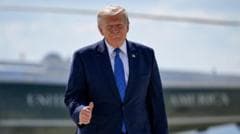
On August 2, 2026, President Trump revealed that he was canceling planned strikes on Iran, which had been reported in various media outlets prior to his announcement. The president indicated that this decision was contingent on the possibility of reaching a deal with Iran in the near future. Trump's statement signals a shift in his administration's approach to dealing with Iranian aggression, which has included threats to US interests in the region.
In his remarks, Trump emphasized the importance of diplomacy, suggesting that he would prefer to pursue a negotiated settlement rather than military confrontation. This announcement came as a surprise to many, particularly given the recent reports suggesting that the US was preparing for intensive strikes over the weekend. The abrupt change in strategy has left analysts and policymakers scrambling to assess the implications of this decision.
The backdrop to this announcement is marked by a series of provocations from Iran, including attacks on oil tankers in the Persian Gulf, which have heightened fears of a broader conflict. Moreover, Iran's support for proxy groups in Iraq and Syria has further complicated the situation, leading to increased military readiness from the US and its allies in the region. Trump's decision to cancel military action could be interpreted as a recognition of the potential for escalation that could lead to unintended consequences, including civilian casualties and a wider regional conflict.
Why It Matters
The decision to cancel strikes on Iran is significant for several reasons. Firstly, it reflects a potential pivot in US foreign policy under the Trump administration, moving from military action towards diplomatic engagement. This could have profound implications for stability in the Middle East, a region that has been fraught with conflict and instability for decades. The Middle East is a complex tapestry of alliances and enmities, where the actions of one nation can reverberate across borders and impact global security.
Moreover, the announcement may also impact US relations with its allies and adversaries alike. Allies who support a diplomatic approach may welcome this decision, while adversaries might view it as a sign of weakness. The balance of power in the region is delicate, and any shift in US strategy could lead to unforeseen consequences. For instance, regional powers such as Saudi Arabia and Israel, who have historically viewed Iran as a significant threat, may feel compelled to take unilateral action if they perceive a decrease in US military commitment to the region.
Additionally, the implications of Trump's announcement extend beyond the immediate geopolitical landscape. The decision may influence domestic politics in the US, particularly as the country approaches the next presidential election. Trump's emphasis on diplomacy could be an attempt to bolster his image as a peacemaker, contrasting with his earlier rhetoric that often favored military solutions. This shift may resonate with voters who are weary of prolonged military engagements abroad and are seeking a more measured approach to foreign policy.
Background and Detail
The backdrop to Trump's announcement is a long history of conflict and negotiation between the US and Iran. The Iran nuclear deal, formally known as the Joint Comprehensive Plan of Action (JCPOA), was designed to limit Iran's nuclear capabilities in exchange for sanctions relief. However, the US's withdrawal from the agreement in 2018 has led to increased tensions, with Iran resuming some of its nuclear activities and engaging in aggressive military posturing. The aftermath of the withdrawal saw a series of escalatory steps from both sides, including Iran's attacks on US interests in the region and the US's imposition of crippling sanctions aimed at crippling Iran's economy.
In recent months, the situation has escalated further, with incidents such as attacks on oil tankers in the Persian Gulf and Iran's support for proxy groups in Iraq and Syria. These developments have raised alarms in Washington, prompting discussions about potential military responses. The US has deployed additional troops and military assets to the region in response to perceived threats from Iran, further heightening tensions.
Trump's decision to cancel the strikes may indicate a recognition of the limits of military power in achieving long-term stability in the region. The president has often touted his administration's successes in negotiating peace deals, and this latest move could be seen as an attempt to bolster his diplomatic credentials ahead of the upcoming elections. The decision also reflects a broader trend in international relations, where military solutions are increasingly viewed as insufficient for addressing complex geopolitical challenges.
What's Next
Looking ahead, the key question is whether the US and Iran can find common ground for negotiations. Trump's willingness to cancel military action in favor of a deal suggests that he may be open to dialogue, but the path to a new agreement will likely be fraught with challenges. Both sides will need to navigate a complex web of interests and grievances, and it remains to be seen whether they can reach a mutually acceptable resolution.
Furthermore, the international community will be watching closely to see how this situation unfolds. Allies in Europe and the Middle East have a vested interest in ensuring that tensions do not escalate into open conflict, and they may seek to facilitate dialogue between the two nations. The European Union, in particular, has been vocal about its desire to preserve the JCPOA and may play a mediating role in future negotiations.
In conclusion, Trump's announcement to cancel strikes on Iran marks a significant moment in US-Iran relations. While it opens the door for potential negotiations, the road ahead will require careful diplomacy and a willingness from both sides to engage in meaningful discussions. As the situation develops, it will be crucial for stakeholders to remain vigilant and proactive in seeking a peaceful resolution. The implications of this decision extend beyond the immediate context of US-Iran relations; they could reshape the geopolitical landscape of the Middle East and influence global security dynamics for years to come.